Case study · Linux service
Low-latency webcam streaming
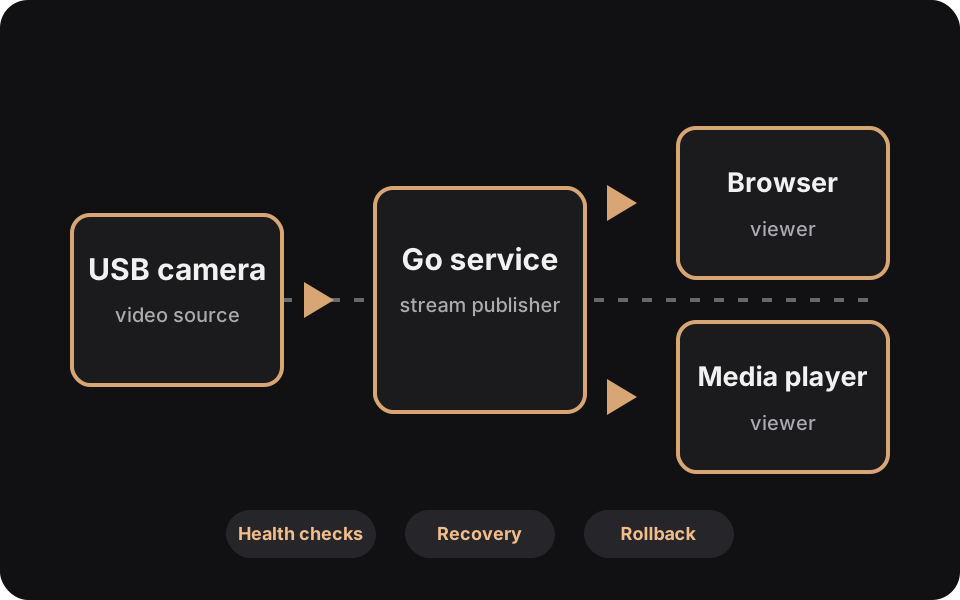
A native service that publishes a USB camera for browser and media-player viewing, with operational recovery built into the design.
The problem
The project focuses on making a USB camera available to both browser and media-player clients without treating the stream as an isolated demo. The service also needs a clear operating path when the camera or process is unavailable.
The approach
A Go service owns the stream-publishing work and runs under systemd. That keeps the application native to the host and places startup and process supervision alongside the rest of the Linux service configuration.
The published scope includes health checks, startup recovery, and a documented rollback path. Those pieces make failure handling and reverting a deployment part of the project rather than an afterthought.
What the work demonstrates
- Connecting a physical USB camera to browser and media-player delivery.
- Packaging the runtime as a supervised Linux service.
- Planning for observable health, restart behavior, and rollback.
About this case study: It describes the project’s published architecture and operating safeguards. No performance figures or production results are claimed.